

Ecosoft Ecomix: Multifunctional Water Treatment for Hardness, Iron and Manganese
A conventional water softener is designed primarily to remove hardness. But what happens when a water supply also contains iron, manganese or natural organic matter?
Ecosoft Ecomix® is a specialist, multi-component filter media designed to address several water quality problems within a single treatment vessel.
It can be particularly useful for borehole and well supplies where installing separate treatment stages for every contaminant would be impractical.
However, Ecomix is not suitable for every water supply. Choosing the correct media type, vessel size and regeneration settings is essential for reliable performance.
What Is Ecosoft Ecomix?
Ecomix is a blend of ion-exchange and adsorption materials developed to reduce five common water constituents:
-
Hardness: Calcium and magnesium responsible for limescale.
-
Iron: Which can cause brown staining and deposits.
-
Manganese: Associated with black staining and deposits.
-
Natural organic matter: Which may contribute to colour and other water quality problems.
-
Ammonium: Where present within the media's treatment capabilities.
Unlike a standard softening resin, which primarily exchanges hardness minerals for sodium, Ecomix combines several treatment functions.
The individual media components separate into layers during the initial regeneration process.
The resulting arrangement provides different treatment functions within one vessel.
Ecomix P, A and C: What's the Difference?
Ecosoft manufactures three main Ecomix grades.
Although all three are intended for multifunctional treatment, they are designed for different incoming water conditions.
| Media | Intended water conditions | Main consideration |
|---|---|---|
| Ecomix P | Low natural organic content and relatively stable water quality | Suitable where organic matter is limited |
| Ecomix A | Moderate organic content | Can accommodate some seasonal changes in water quality |
| Ecomix C | Higher organic content and more variable water quality | Offers greater capacity for reducing natural organic matter |
The main difference is the level of organic contamination each formulation is designed to handle.
Ecomix C is not automatically the best choice for every installation. Where organic matter is low, Ecomix P or A may provide a more appropriate solution.
Selection should be based on the actual water analysis.
What Water Quality Can Ecomix Treat?
Ecosoft publishes the following upper feed-water limits for its Ecomix media.
| Water parameter | Manufacturer's published limit |
|---|---|
| Total hardness | 750 mg/L as CaCO₃ |
| Iron | 15 mg/L |
| Manganese | 3 mg/L |
| Ammonium | 4 mg/L |
These figures describe the manufacturer's stated application limits for the media. They are not guaranteed treated-water concentrations or removal efficiencies.
Actual results depend on the complete water analysis, media selection, vessel design, flow rate and regeneration settings.
What about natural organic matter?
Ecosoft distinguishes the media types using chemical oxygen demand (COD), a measurement that can help indicate the presence of oxidisable substances, including natural organic matter.
Its published guidance gives:
-
Ecomix P: Up to 3 mg/L COD.
-
Ecomix A: Up to 20 mg/L COD, with indicative organic matter reduction.
-
Ecomix C: Up to 20 mg/L COD, with a greater stated organic matter reduction than Ecomix A.
COD is not the same measurement as total organic carbon (TOC), and neither result should be treated as a complete identification of the organic substances present.
Where significant colour or organic contamination exists, further assessment may be necessary.
When Is Ecomix a Good Choice?
Ecomix is worth considering when a water analysis identifies a combination of:
-
Significant hardness
-
Dissolved iron
-
Dissolved manganese
-
Natural organic matter
-
Ammonium
For example, a borehole supply containing hardness together with moderate iron and manganese concentrations may be a suitable application.
In these circumstances, a multifunctional media can potentially simplify the treatment arrangement.
By contrast, where hardness is the only concern, a conventional ion-exchange water softener may be the more straightforward and economical solution.
When Might Ecomix Need Additional Pretreatment?
Although Ecomix can treat several contaminants simultaneously, it should not be considered a universal replacement for other treatment processes.
Additional treatment or further investigation may be necessary where the water contains:
High sediment or turbidity
Large quantities of sand, silt, rust or other suspended solids can interfere with the media bed and regeneration process. Suitable sediment removal may be required upstream.
Heavy iron deposits or biological fouling
Water containing substantial precipitated iron or iron-related slime may require a different treatment approach. The total iron concentration alone does not fully describe the form in which the iron is present.
Hydrogen sulphide
Ecomix is not a dedicated hydrogen sulphide removal media. Supplies with significant hydrogen sulphide should be assessed separately.
Microbiological contamination
Ecomix does not disinfect water and should not be relied upon to make a microbiologically contaminated private supply safe to drink.
Water outside the recommended chemistry
Very unusual pH, high salinity, excessive oxidant concentrations or other contaminants may affect media performance and lifespan.
For example, Ecosoft's published media guidance specifies operating pH ranges around 5–9 or 5–10, depending on the Ecomix grade. The applicable manufacturer's datasheet and the complete system specification should be checked before selection.
Correct Sizing and Backwashing Are Essential
An Ecomix system must be sized for both the required service flow and the available backwash flow.
This is particularly important because the mixed media needs to separate and clean correctly during regeneration.
Ecosoft's technical guidance specifies:
-
Service and backwash rates appropriate to the vessel diameter.
-
A minimum media bed depth of approximately 500 mm.
-
A recommended bed depth of approximately 800 mm.
-
Sufficient freeboard for bed expansion during backwashing.
Insufficient backwash flow can reduce iron removal performance.
The drain line, water supply and control valve must therefore be selected to support the required regeneration conditions.
A larger vessel does not automatically provide better treatment if the installation cannot supply enough water for effective backwashing.
How Does Ecomix Regenerate?
Ecomix systems regenerate using salt, much like a conventional ion-exchange water softener.
During regeneration, the system performs programmed stages that typically include backwashing, brine treatment and rinsing.
Ecosoft's technical literature gives a typical sodium chloride consumption of approximately 100 g per litre of media, with some grades or applications requiring different dosages.
The correct settings depend on the media grade, vessel size, control valve and water quality.
The regeneration frequency must also account for the incoming contaminant load. Programming a multifunctional system based only on hardness may allow the media to become exhausted before regeneration if iron, manganese or other substances are also present.
How Long Does Ecomix Media Last?
Ecosoft gives indicative service lives of approximately:
-
Ecomix P: 3 years.
-
Ecomix A: 5 years.
-
Ecomix C: 5 years.
These are manufacturer guidance figures, not guaranteed replacement intervals.
Actual media life depends on feed-water quality, usage, regeneration efficiency and operating conditions.
Regular checks of treated-water quality are important, particularly where the source water varies seasonally.
Choosing an Ecomix System
Before selecting a system, we recommend obtaining a recent water analysis covering, as appropriate:
-
Hardness
-
Total and dissolved iron
-
Manganese
-
pH
-
Ammonium
-
Colour and natural organic matter
-
Turbidity
-
Other relevant contaminants
We also need to know the required service flow rate and the flow available for backwashing.
This information helps determine whether Ecomix is suitable, which grade to use and whether additional pretreatment is required.
Ecomix Products from GAPS Water Treatment
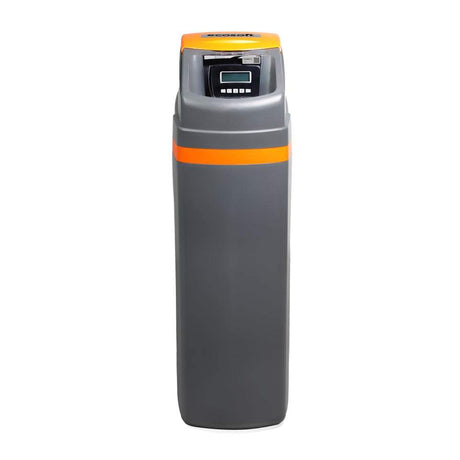
GAPS Water Treatment supplies Ecomix media and complete treatment systems for suitable domestic and commercial applications.
Explore our range:
If you're considering Ecomix for a borehole, well or commercial water supply, email your water analysis and required flow rate to sales@gapswater.co.uk.
We can help identify suitable equipment and explain where additional treatment may be necessary.
The figures in this article are based on Ecosoft's published media specifications. Final system selection and operating settings must follow the applicable manufacturer guidance and the actual water conditions.



 Powered by Discount Bot